


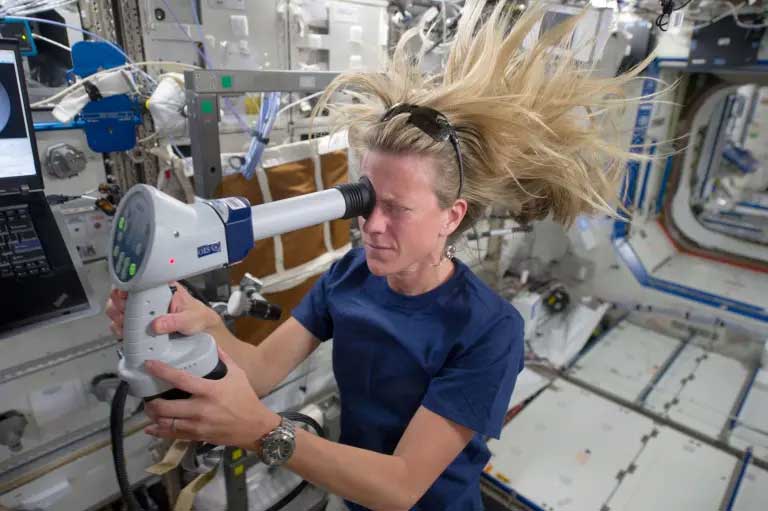
As humanity expands its activities in space, medical research into how our bodies cope with microgravity conditions has become the...
Read More
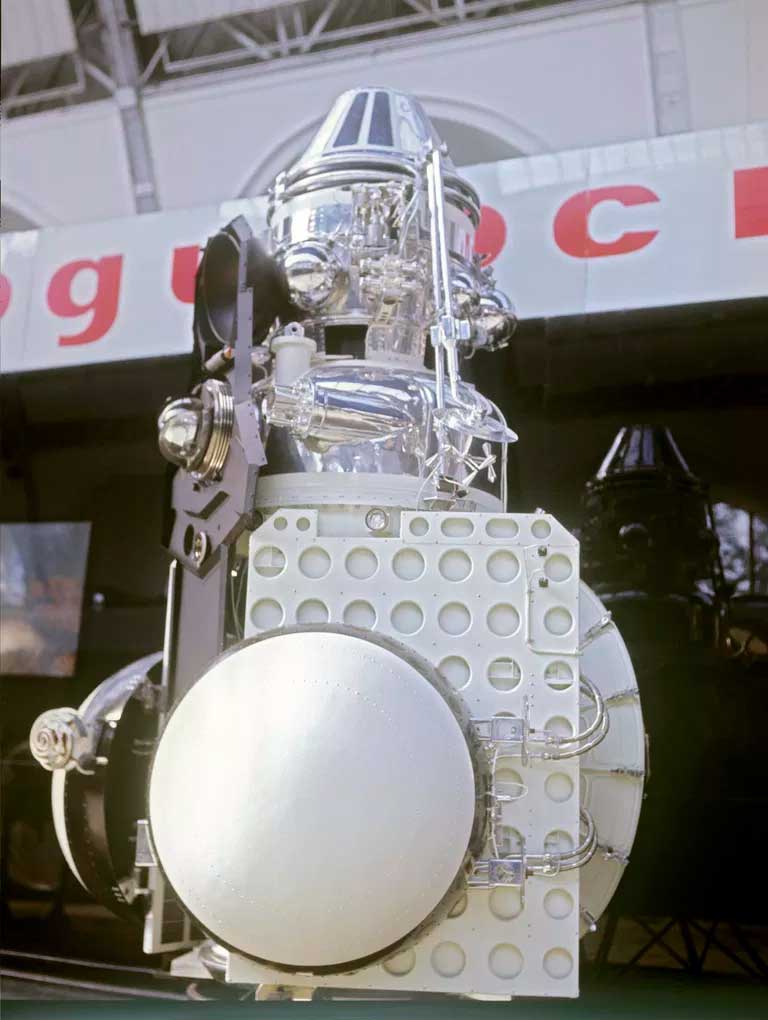
Some facts about the devices and methods for studying Venus
Between 1961 and 1984, the Soviet Union sent 16 exploration missions to Venus. NASA's Parker Solar Probe made several flybys...
Read More
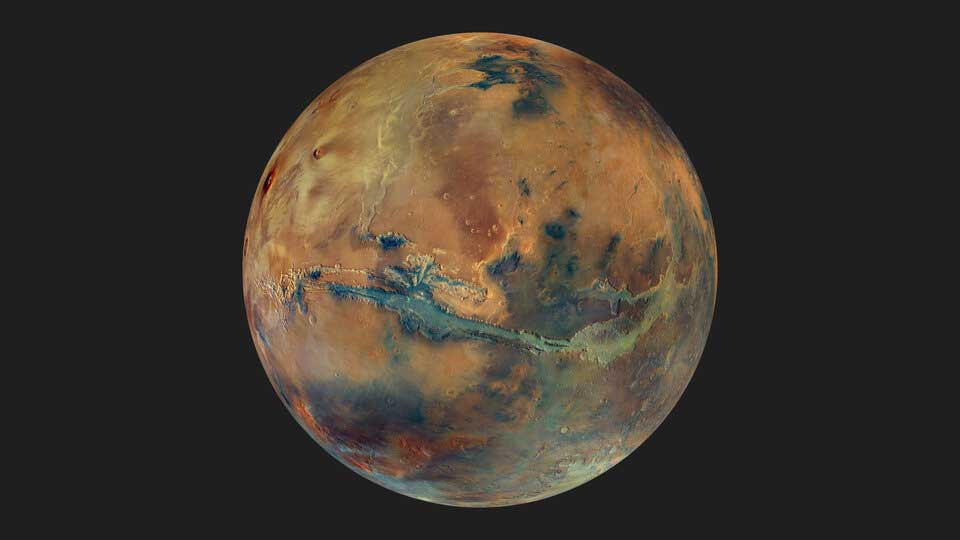
Researchers have provided numerous pieces of evidence that Mars once had water. And perhaps still does
Once upon a time, liquid water was abundant on the surface of Mars—oceans, lakes, and rivers—but it disappeared about 3...
Read More
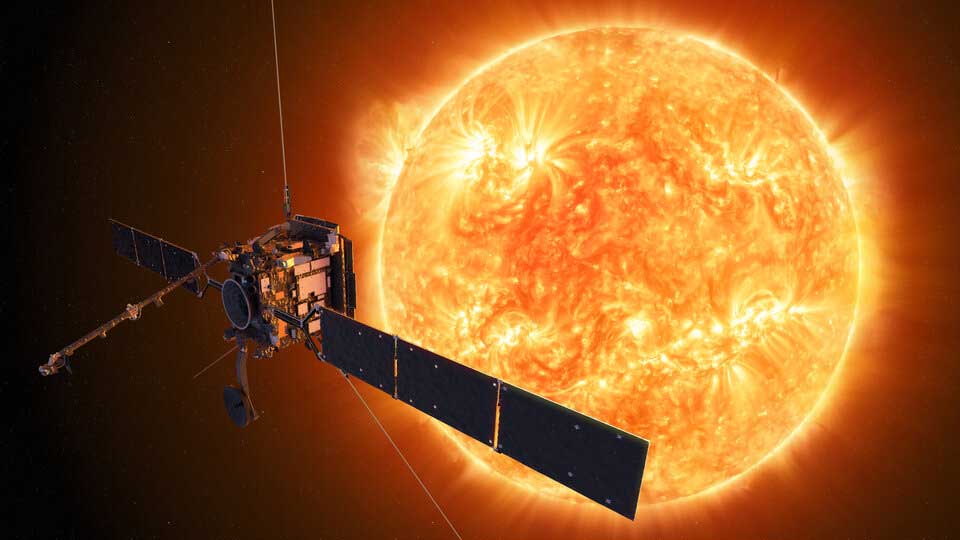
Researchers are looking for a ceiling on the impact of solar storms on Earth. And so far they haven’t found one
Even "moderately intense" geomagnetic storms, disturbances in Earth's magnetic field caused by charged particles and the Sun's magnetic energy, can...
Read More
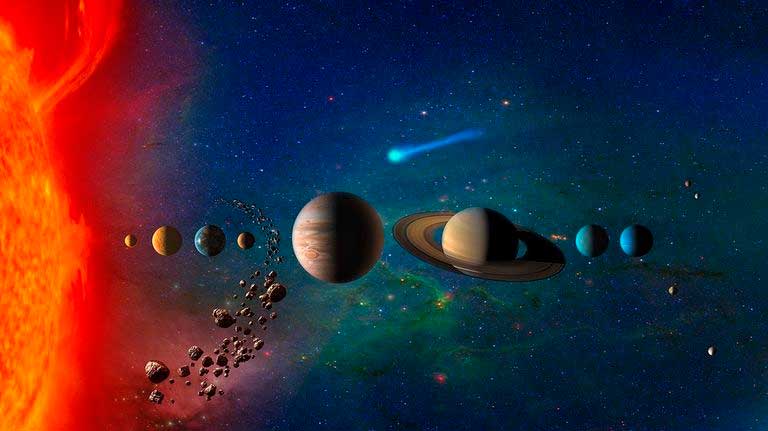
Jupiter and its asteroid belt played a crucial role in the distribution of the essential chemical components necessary for life
As Jupiter formed and grew to enormous size and its gravitational influence increased, the planet restricted the movement of phosphorus...
Read More
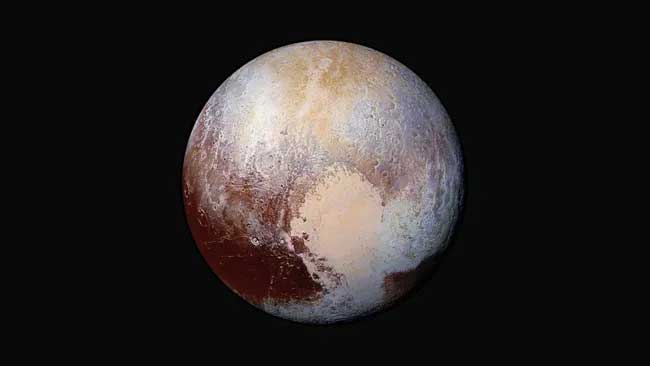
Pluto’s ‘Heart’ Hints at Its Rich Geological World
When the New Horizons mission flew past Pluto in 2015, it discovered a geologically rich world, not the cold, dark...
Read More
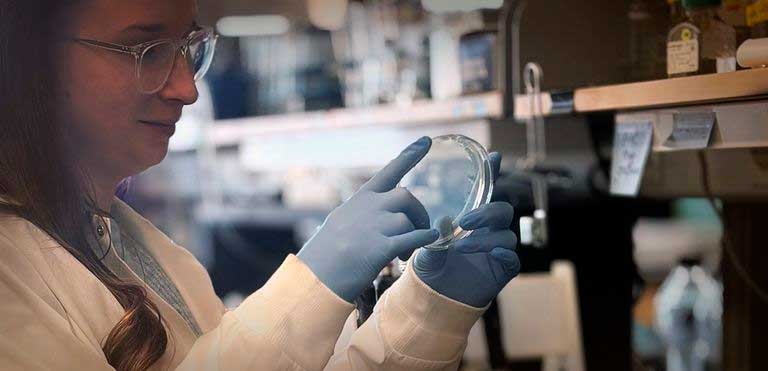
Microbiological surprises of extraterrestrial life: reverse panspermia. Terrestrial microorganisms can colonize outer space
Cosmic rays and aggressive environments don't kill microorganisms; they even maintain an active metabolism that "heals" mutations. This gives rise...
Read More
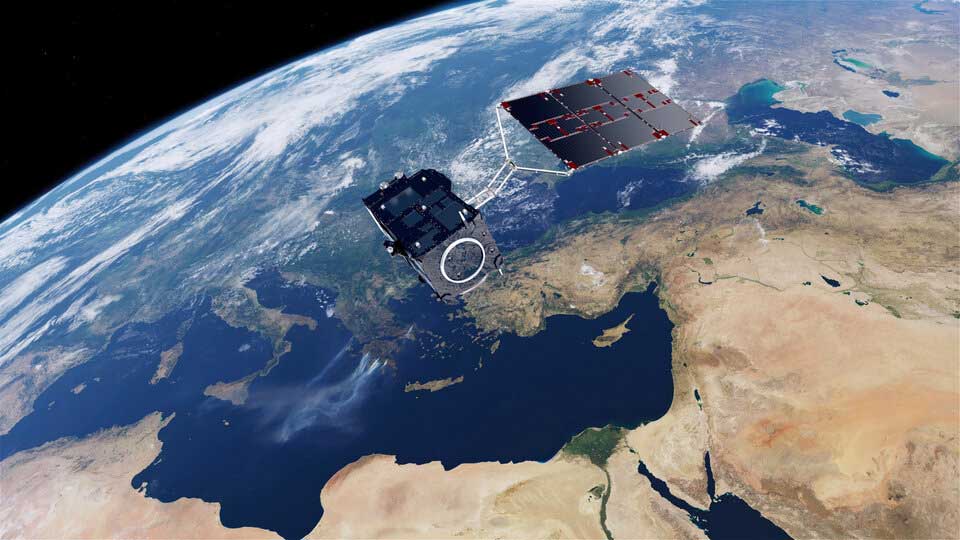
A ‘Healthy’ Pacific El Niño: Impacts, Research, and Forecasts for 2026
El Niño and La Niña are opposing phases of the Southern Oscillation (ENSO), one of the most powerful drivers of...
Read More
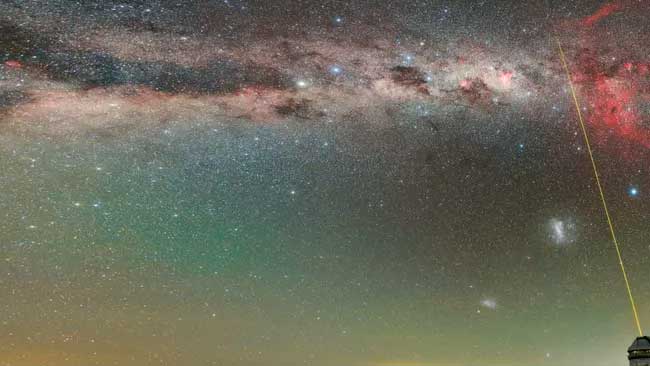
Modern technologies and problems of studying the Milky Way
The European Space Agency's XMM-Newton and NASA's Chandra space telescopes captured the aftermath of three bright explosions echoing in the...
Read More
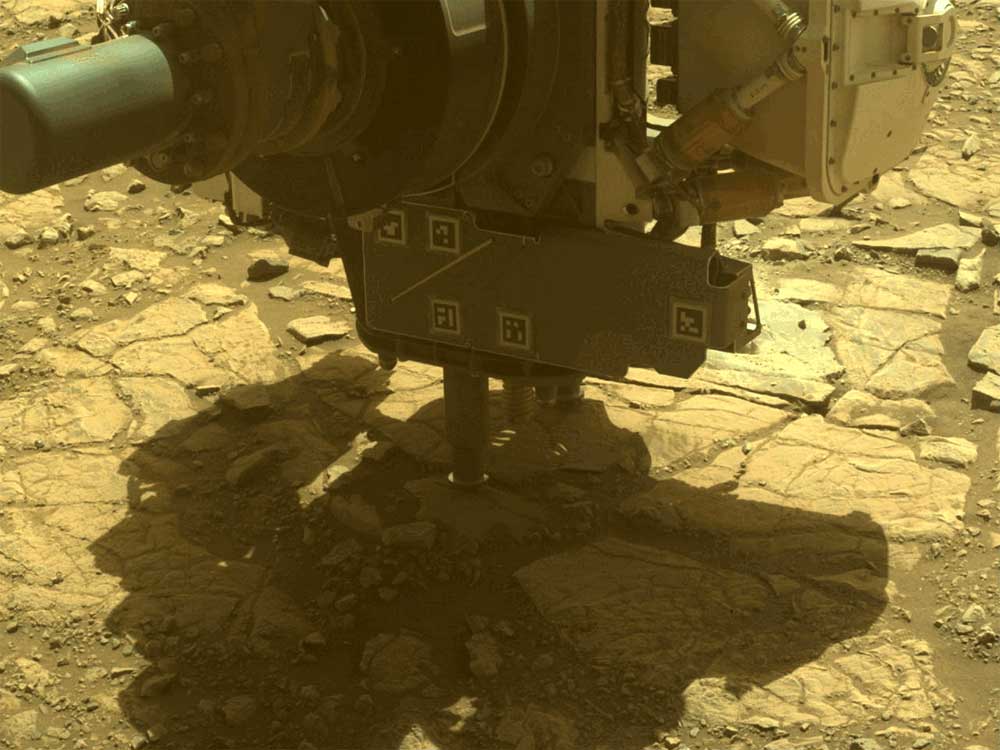
Mars’ Perseverance and Curiosity rover teams have collected enough samples and are awaiting their return home
Sulfur crystals, traces of serpentine, pyroxene, and feldspar were discovered. For example, data obtained from the Perseverance rover's instruments show...
Read More

Quasars are among the earliest objects in the Universe. Are they creators or destroyers of galaxies?
Quasars represent a stage in a galaxy's life during which large volumes of matter spiral toward a central supermassive black...
Read More
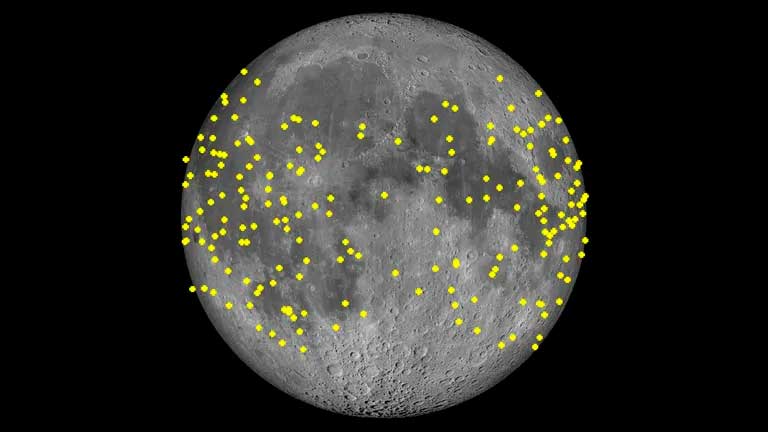
A Restless Moon: Scientists are studying the seismic and volcanic activity of Earth’s satellite
China's Chang'e-5 mission returned evidence that as recently as 120 million years ago, the Moon had active volcanoes, and some...
Read More
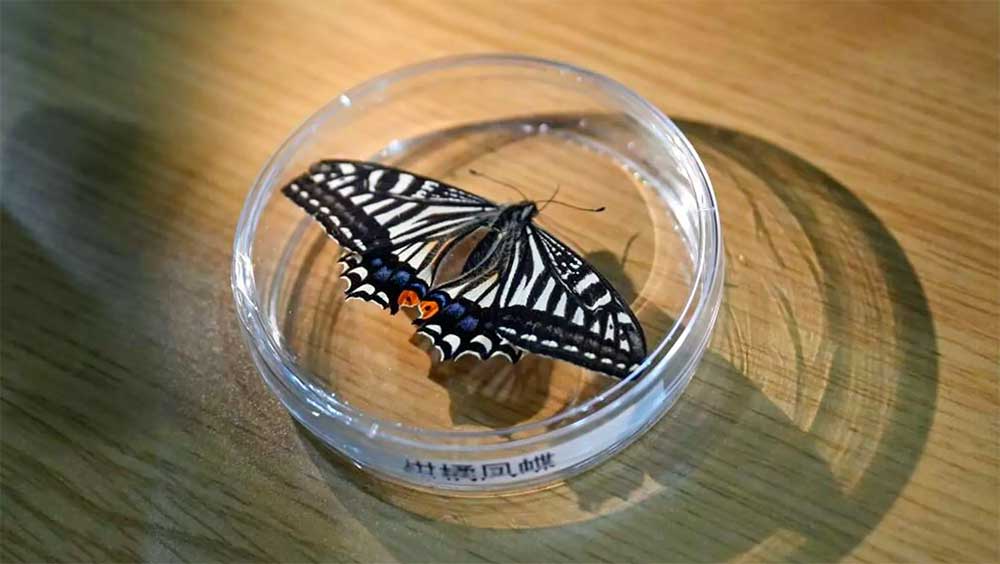
Microgravity, plants, worms, and butterflies: How space agriculture is taking off
Cutting-edge research in botany and biology is conducted aboard the International Space Station to support future missions to the Moon,...
Read More
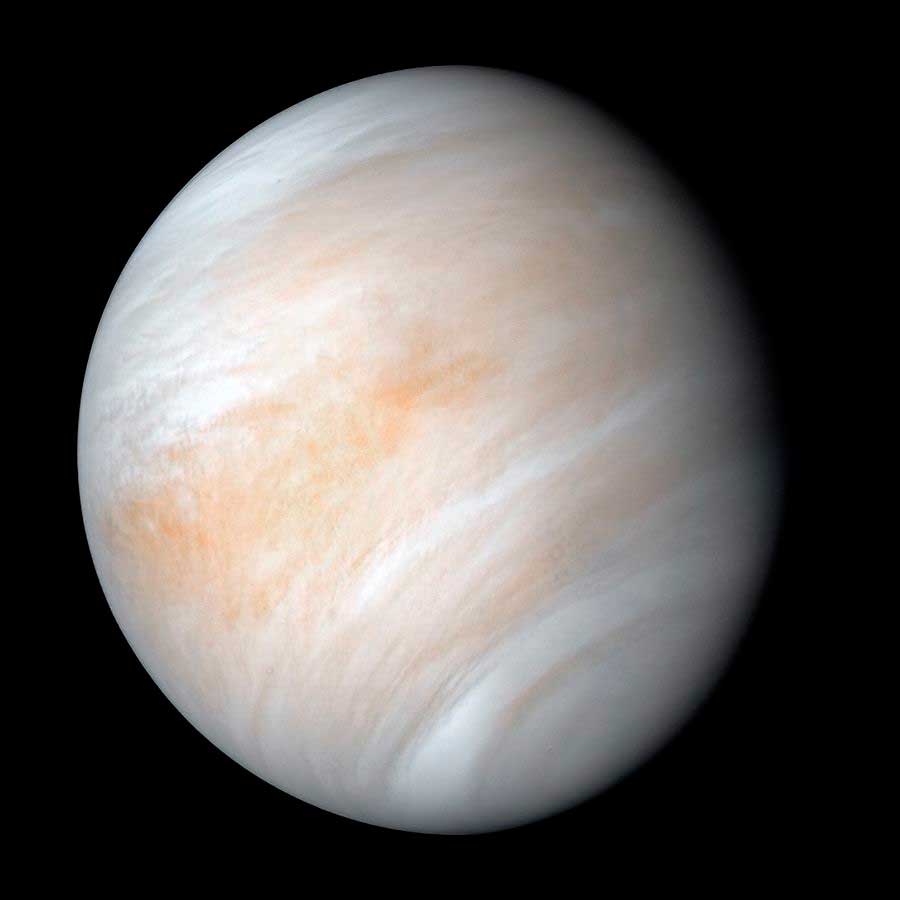
The latest facts about our planetary neighbor, Venus
Venus is the second planet from the Sun and Earth's closest planetary neighbor. Venus is the third-brightest object in the...
Read More
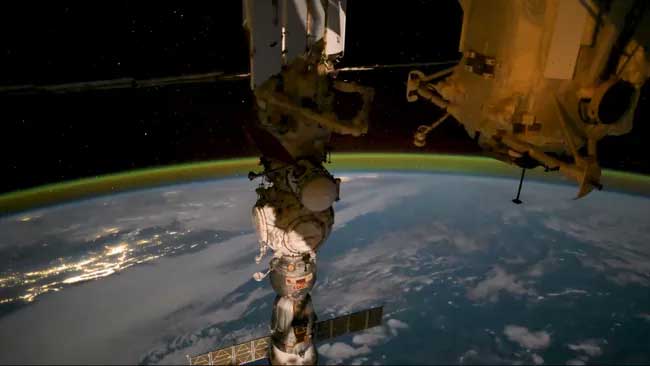
Scientists have confirmed that space weather affects spacecraft, astronaut safety, radio communications, GPS, and power grids on Earth
The effects of solar storms may be limitless. Observations have shown that electrical currents in the Earth's upper atmosphere, which...
Read More
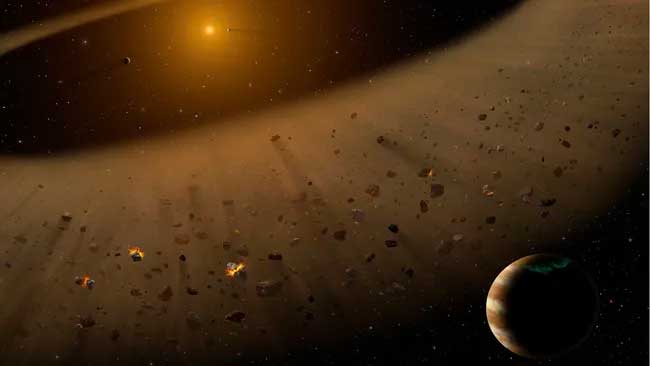
New Horizons expanded the boundaries of the Kuiper Belt, discovered “snowmen” and other unusual objects
The Kuiper Belt may extend billions of miles further than anyone imagined. NASA's New Horizons spacecraft encountered Pluto in 2015,...
Read More
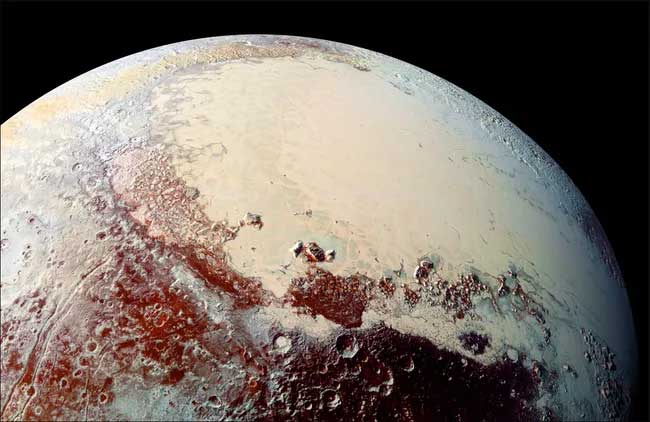
Planet or not a planet? Pluto’s status raises serious questions about how to define any object in the solar system
The current debate over Pluto highlights the difficulties in defining the concept of "planet." The IAU defines a planet as...
Read More
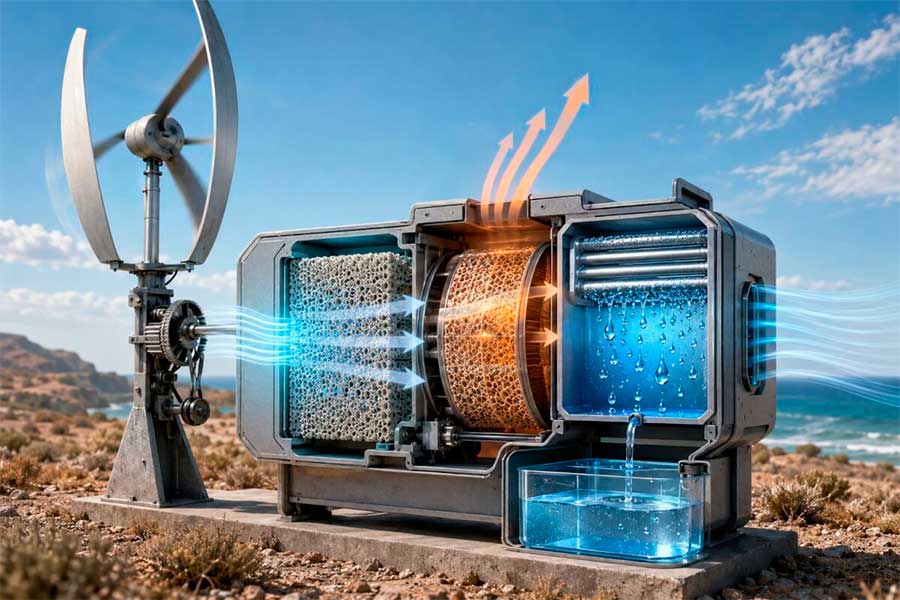
Creating water, oxygen, and fuel from air and soil: fantasy became reality in 2026. Technologies and proposals
The invention, developed by Jordanian-American chemist and 2025 Nobel Prize laureate in Chemistry Omar Yaghi, uses a scientific technique called...
Read More
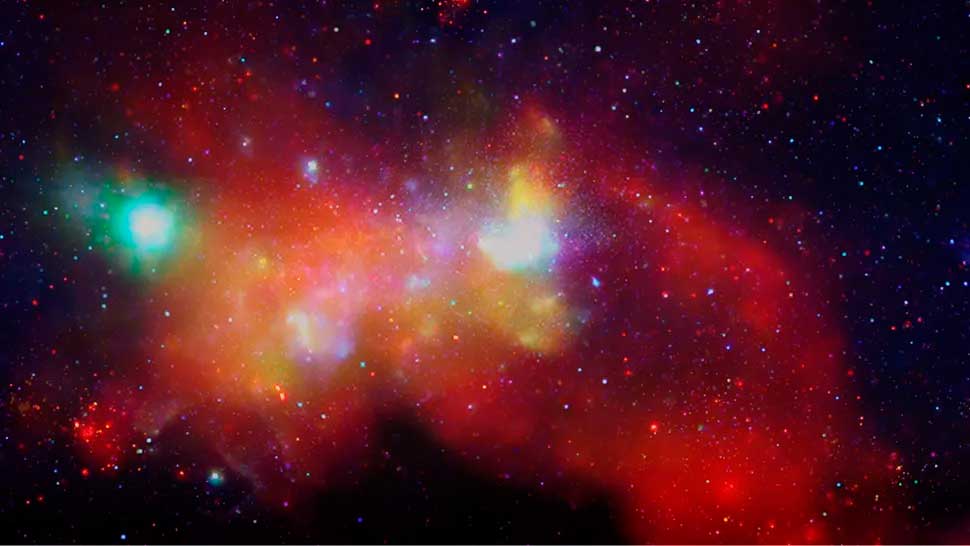
In 2024-2026, a theory of dark matter accumulation in the center of our Galaxy was developed
New models show that stars can exist using only dark matter as fuel, and because there is an extremely large...
Read More
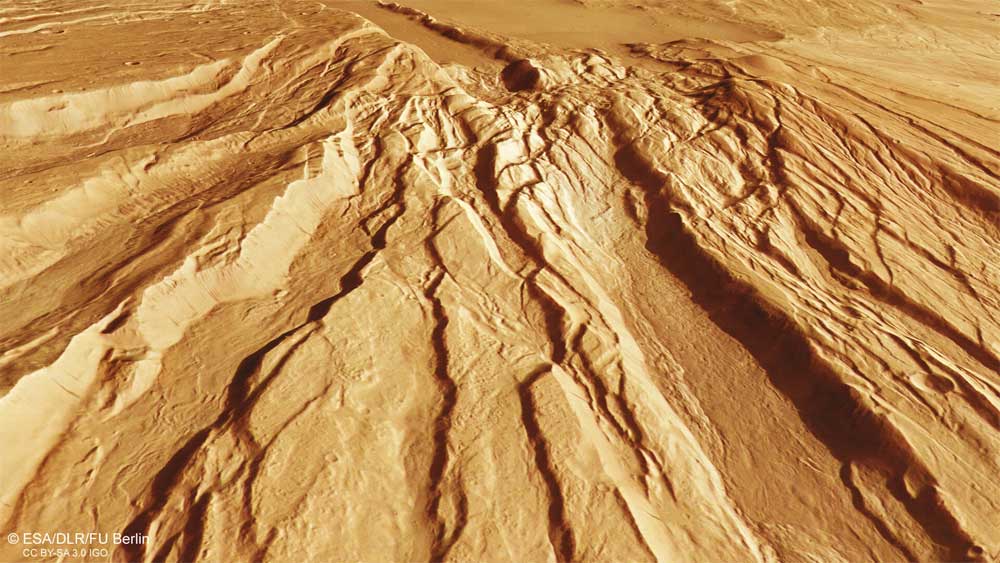
The Mars Express orbiter expands our exploration capabilities on Mars
Mars is covered in a remarkably diverse landscape. In fact, the planet is roughly divided into two halves: half is...
Read More

Analysis of the composition of soil from the far side of the Moon collected by China in 2024 revealed differences between the two sides of the object
A Chinese probe returned soil samples from the far side of the Moon to Earth for the first time on...
Read More

The boundary between stars and planets has proven ambiguous, but a link has been discovered between the formation of stars and planets in systems
In 2024, astrophysicist Stephen Giacalone discovered a brown dwarf that appeared to have formed through core accretion, making it, in...
Read More

New discoveries in the field of interactions in stellar systems
Using the Transiting Exoplanet Survey Satellite (TESS), a spacecraft designed to search for exoplanets, astronomers discovered an unusual quadruple star...
Read More

Technologies for creating a fully-fledged habitat in microgravity conditions and on other planets: mycelium, 3D, carbon fiber
The Mycotecture project team at NASA's Ames Research Center is developing technologies that will enable the "growing" of habitats on...
Read More

New information about the instruments used to study the Sun in our solar system
The RF observatories, SOHO, Inouye, BioSentinel, Proba-3, Parker Solar Probe, SPHEREx, PUNCH, Carruthers, Helios, and SunRISE study solar radio flares,...
Read More

Modern questions about the solar system: its speed, boundaries, hidden objects in the outer part
The solar system may be moving through space three times faster than expected. The location of the outer edge of...
Read More

The most general and up-to-date information about the “former” ninth planet of the Solar System – Pluto
Pluto is the largest known dwarf planet in the Solar System. It was previously considered the ninth and farthest planet...
Read More

First proposed by physicist Freeman Dyson in 1960, the idea of alien spheres remains relevant in the 21st century
In the 1960s, physicist and polymath Freeman Dyson proposed the idea of creating these eponymous spheres. He proposed that a...
Read More

Satellites in Earth orbit monitor soil moisture, water availability, river flow, and the global water cycle
The primary objective of the SMAP mission is to assess the moisture content of the surface soil layer and its...
Read More

The search for dark matter in our Milky Way galaxy is the most challenging task in modern physics
Stars have been observed crawling along the outskirts of the Milky Way more slowly than expected—a slow motion that scientists...
Read More

The Perseverance mission to Mars. What has been learned after nearly five years of exploration on another planet?
A key goal of the Perseverance mission to Mars is astrobiology, including the collection of samples that may contain traces...
Read More

Treatment and prevention of diseases during long-term flights in microgravity conditions
Deep space exploration requires a paradigm shift in astronaut medical support toward Earth-independent medical operations. Currently, astronauts rely on real-time...
Read More

Solar activity cycles have stumped scientists around the world, and research continues
When the current solar cycle began in late 2019, experts from the Space Weather Prediction Center (SWPC), which includes scientists...
Read More

Candidates for Planet Nine in the depths of our solar system
The predicted position of Planet Nine is intended to explain the irregular orbits of some Kuiper Belt objects in the...
Read More

Some facts about natural and anthropogenic pollution of rivers and lakes over the past few years
Mercury and plastic from rivers and lakes can not only harm local ecosystems but also pose a danger to humans,...
Read More

Recent studies of Pluto’s moon Charon have revealed that it contains water ice, ammonia and organic compounds, carbon dioxide, and hydrogen peroxide
Charon is a medium-sized body, approximately 750 miles (1,207 kilometers) wide, located in the Kuiper Belt—a ring of icy debris,...
Read More

Unique properties of ionic liquids, superalcohols and cosmic radiation indicate the existence of life beyond Earth
Life may exist right under our noses in the Solar System—the moons of Jupiter and Saturn are of great interest....
Read More

Water is an inevitable consequence of planet formation and is much more common in the galaxy than scientists previously thought
The findings suggest that water may not be a rare cosmic coincidence, but rather an inevitable consequence of planet formation,...
Read More

Before the New Year of 2026, the Curiosity rover has almost completed its exploration of Mount Sharp
Before Curiosity's landing 13 years ago, the science team observed all the geological wonders scattered across the slopes of Mount...
Read More

The process of astronauts adapting to Earth’s gravity after a long stay in space
When astronauts return from extended stays in space, they are often removed from their capsules and placed on stretchers. Astronauts...
Read More

Sunspots and Solar Flares: A Timeline of Occurrences and Research Results in 2025
The end of 2025 was marked by the appearance of a solar spot directly facing Earth, similar in parameters to...
Read More

The IMAP mission defines the boundaries of the heliosphere and provides space weather measurements
NASA's new Interstellar Mapping and Acceleration Mission (IMAP) was launched on September 23, 2025. Its goal is to study the...
Read More

Famous southern rivers are at risk of drying up or disappearing completely
Iraq's famous Tigris is heavily polluted and in danger of drying up. One of Africa's largest rivers, the Zambezi, has...
Read More

Planet Nine is a hypothetical extra planet lurking in the far reaches of our solar system
For nearly a decade, astronomers have been scouring the outer reaches of the solar system for signs of a hypothetical...
Read More

Science fiction and the official scientific opinion on alien life
Many scientists are searching for extraterrestrial life on planets with conditions similar to Earth. For example, a habitable planet would...
Read More

The shallowing of the Caspian Sea is a dangerous environmental problem for many Eurasian countries
According to the Federal Agency for Fisheries, the Caspian Sea's water level has dropped by nearly 2.4 meters since the...
Read More

Curiosity Rover in Altadena Square – A Challenging Route and Amazing Mars Landscapes
The dark blocks that occasionally appear in the rover's path are called floating rocks, and the team is looking higher...
Read More

NASA and ESA are preparing a “digital twin” of Earth
As extreme weather events become more frequent around the world due to climate change, the need for further research into...
Read More

Recent research in the field of water-calcium metabolism in spaceflight conditions
Exposure to altered gravity during spaceflight can cause physiological changes. One such change is the inability to completely empty the...
Read More

Drought and widespread desertification exacerbate poverty, hunger, energy insecurity and ecosystem destruction
According to a new UN-supported report, some of the most severe and devastating droughts in human history have occurred since...
Read More

The benefits and harms of the Earth’s ozone layer. The ozone hole in Antarctica is steadily shrinking
Countries are doing the right thing by continuing to ban chemicals called CFCs and HCFCs, which deplete the ozone layer...
Read More

Forced River Diversions in Russia: Opinions and Facts
The Russian Academy of Sciences will explore the feasibility of constructing a water pipeline from the Ob River to Uzbekistan—a...
Read More

Coastal cities are predicted to be at risk of flooding by the end of the century
An oceanographer has warned of a possible rise in global sea levels of up to 1.3 meters by 2100. According...
Read More

In the first 4 months of 2025, America experienced several large-scale floods with casualties
In October 2025, Mexico experienced one of the worst floods in recent memory. Within days, 41 people died, hundreds of...
Read More