


Physicists have used a new method for observing individual atoms interacting in free space for the first time. The new...
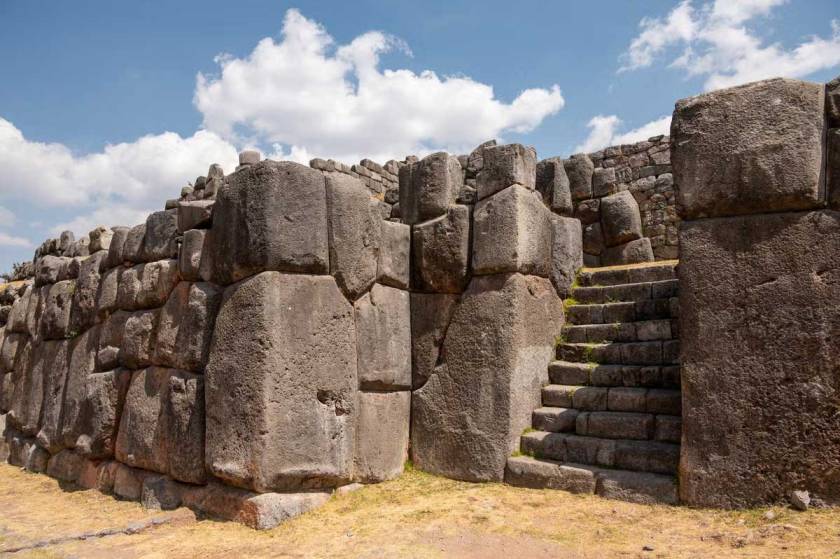
Archaeologists have discovered a 4,000- to 5,000-year-old ceremonial temple in a sand dune in Peru
Archaeologists recently discovered the lost ruins of a ceremonial temple buried in sand and estimated to be between 4,000 and...
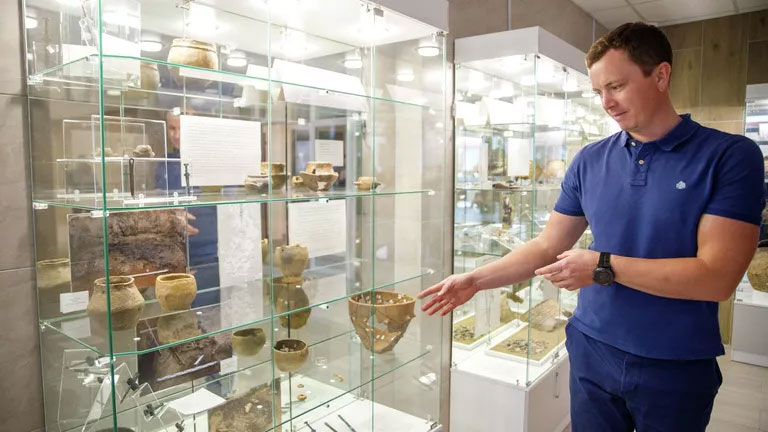
In the Tula region, in the village of Barybinka and in Krasnoyarsk, on the territory of the Shinnoye cemetery, artifacts from the 1st century AD were discovered
In 2022, FSB officers in the Tula region detained a "black digger" who, during illegal excavations in the territory of...
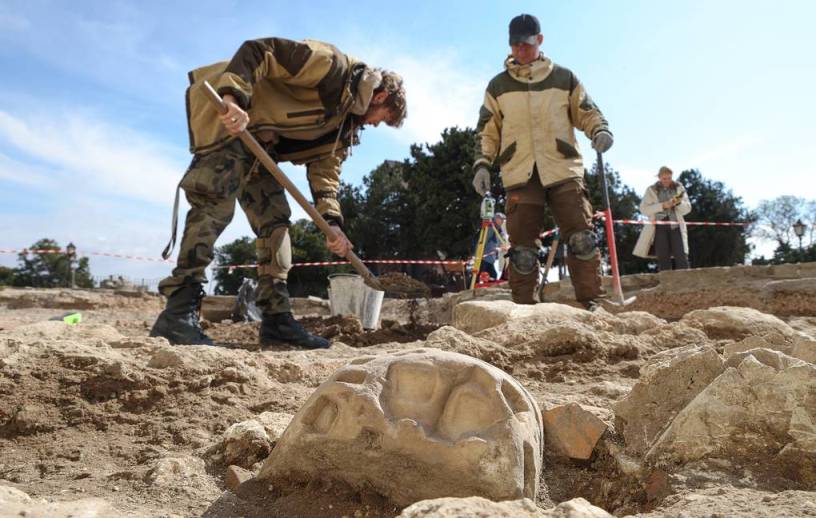
Path of the Dead and Child Burial – Neolithic News
LiDAR technology in Ireland reveals hidden structures that could guide spirits into the afterlife. A child's burial site from the...
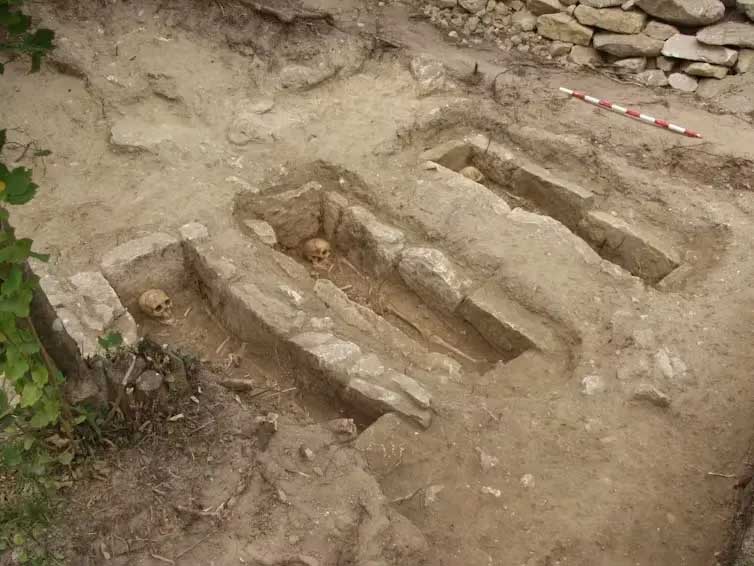
DNA analysis reveals features of people’s lives in other eras
DNA has revealed incest, smallpox and violent deaths among Christians living in caves in medieval Spain. And a Stone Age...
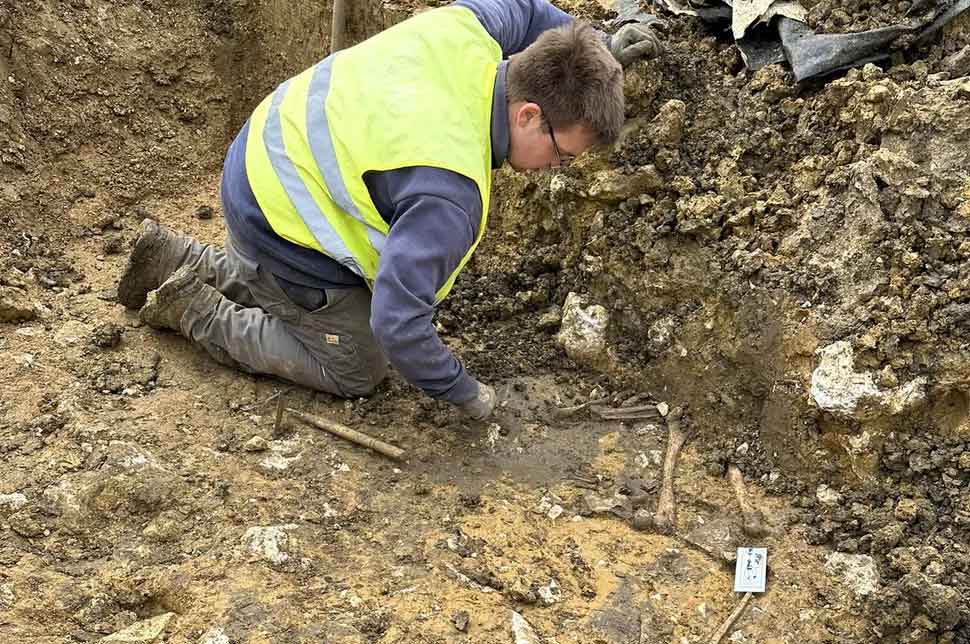
Archaeologists continue to dig up medieval burial sites in Eurasia
The first medieval necropolis has been discovered in Veliky Novgorod. A 1,700-year-old "barbarian" burial site has been discovered on the...

LUCA – the new universally recognized ancestor of all life on Earth
New research suggests that all life today descended from a cell that lived 4.2 billion years ago, just a few...
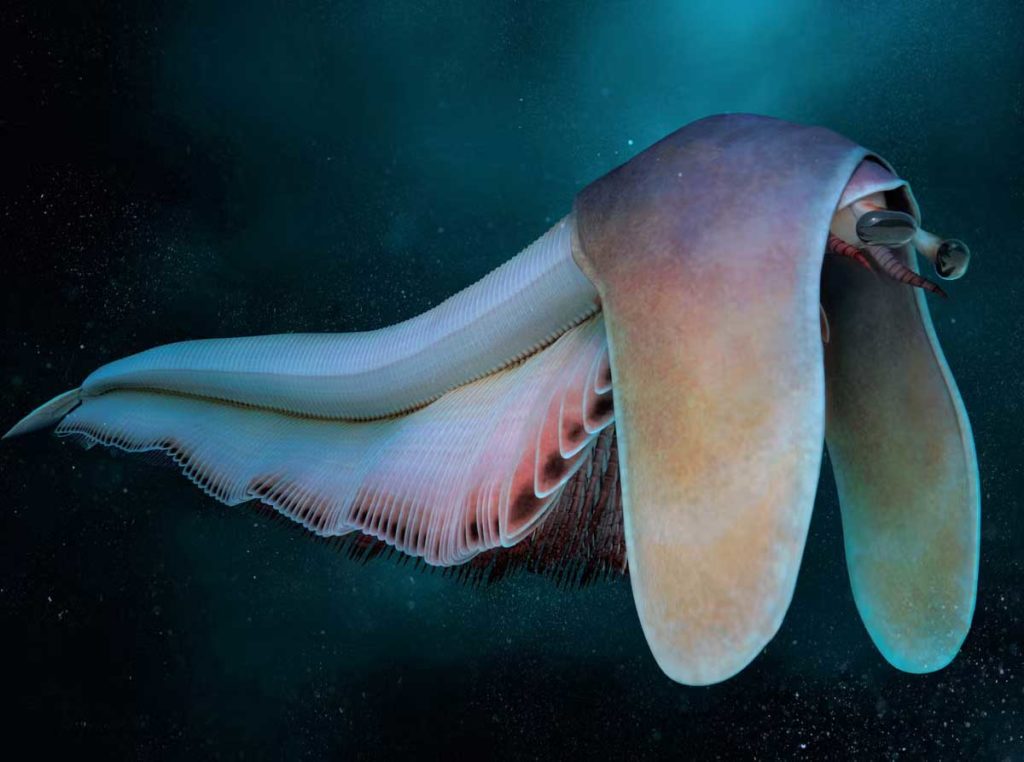
Ediacaran animals are still considered the earliest multicellular animals on Earth
And paleontologists and geneticists are finding more and more evidence to support this fact. Using fossils and genetic dating, scientists...
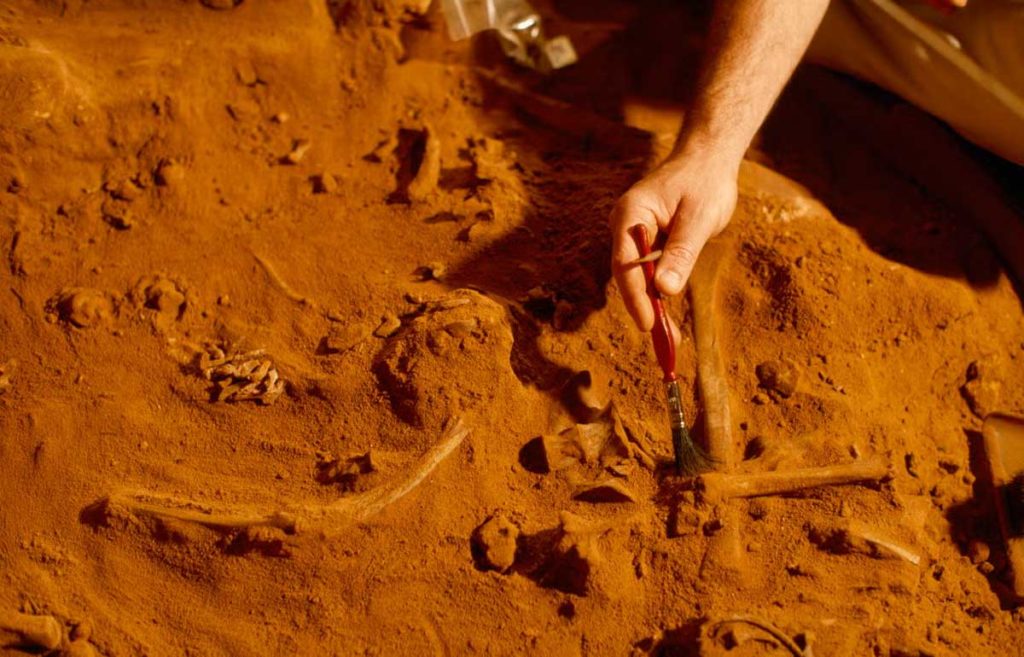
Cambrian animals add new mysteries to researchers
Jaws found in 500-million-year-old fossils. A new study by scientists at the Royal Ontario Museum (ROM) has concluded that O....
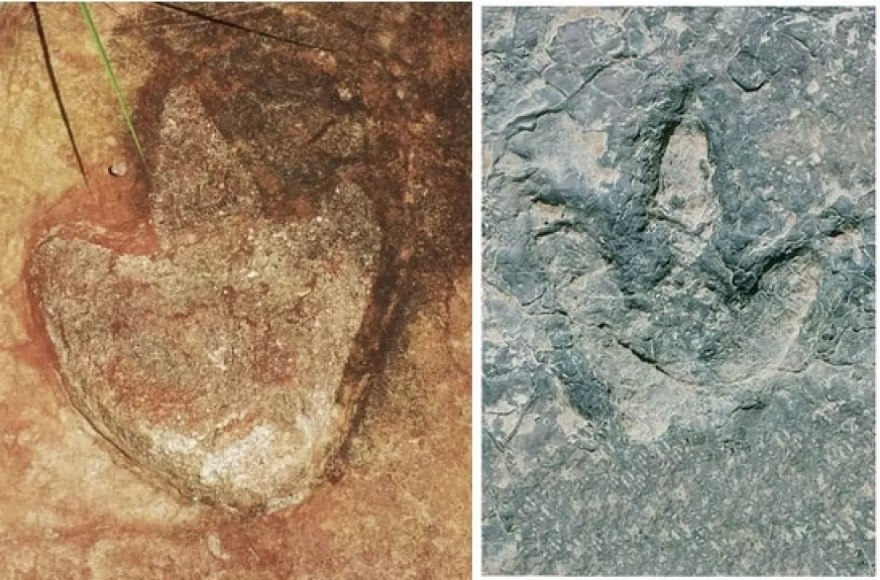
Matching dinosaur footprints found in Africa and South America
Tens of millions of years ago, South America and Africa were part of the same landmass, an ancient supercontinent called...
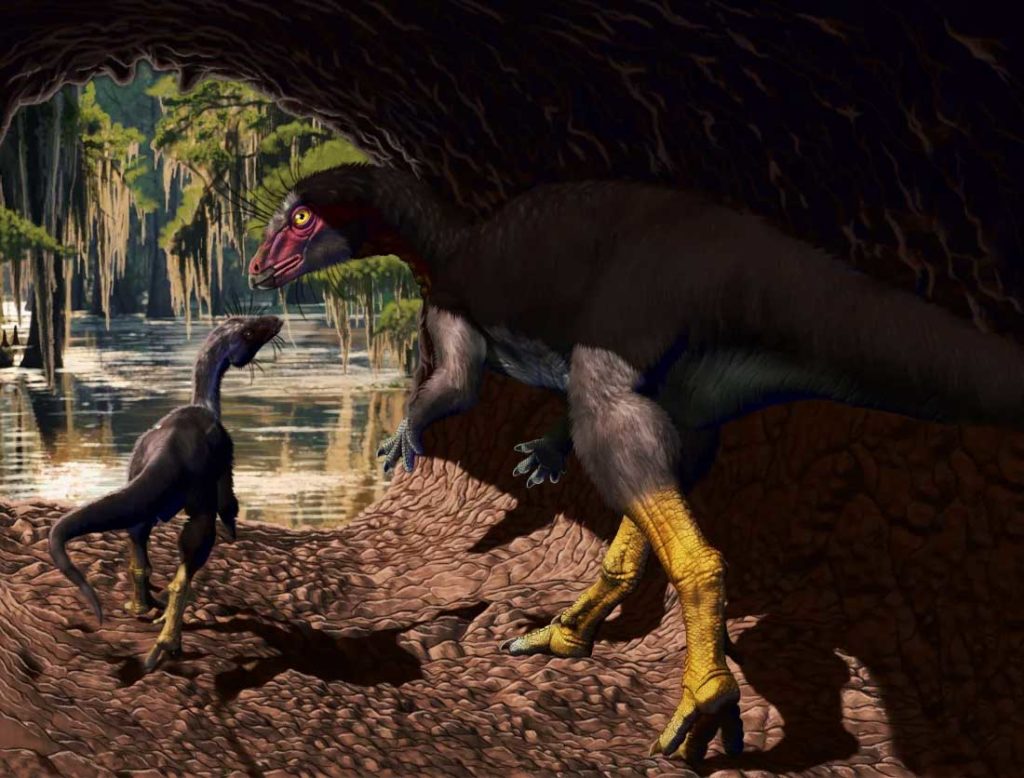
Dinosaurs could live underground
A newly discovered dinosaur may have spent part of its life underground. Paleontologists have recently uncovered a new fossilized animal...
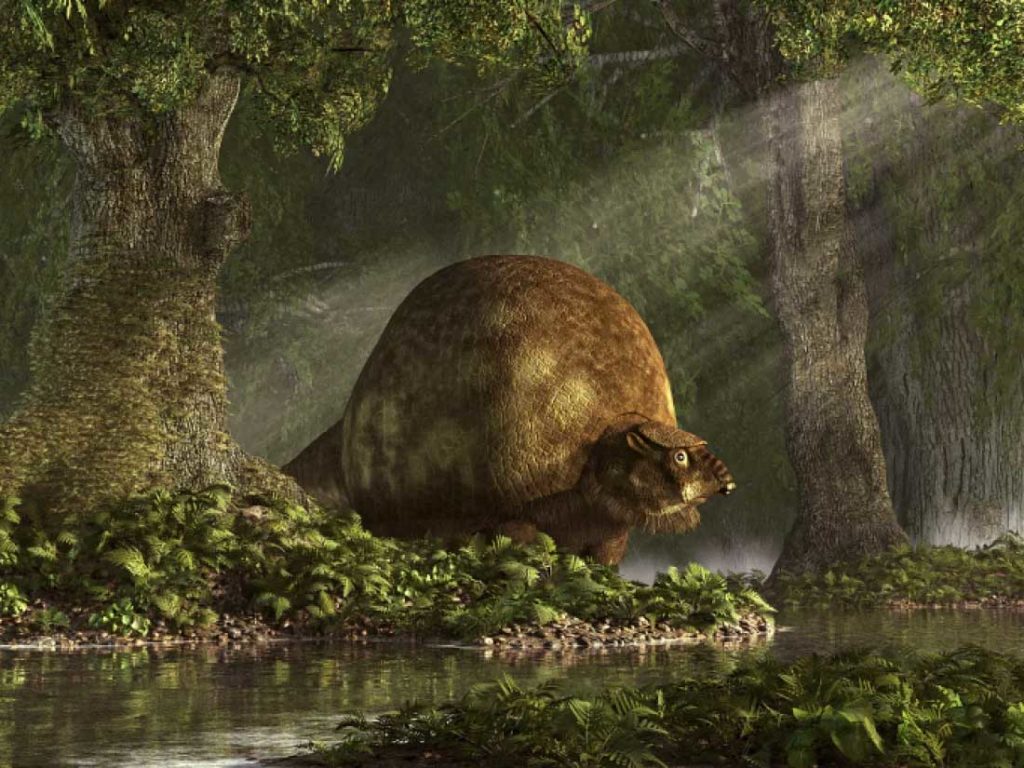
New archaeological discoveries have shown that humans are capable of surviving in the most extreme conditions
The fossilized bones of a giant, extinct armored mammal provide the latest clue about when humans arrived in South America....
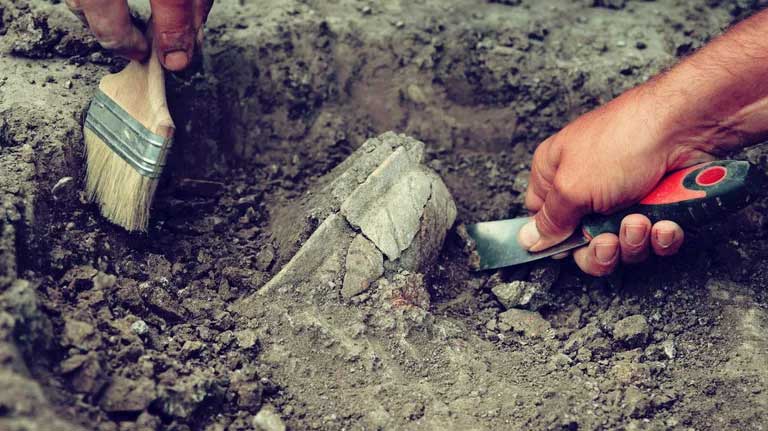
Archeology Early Paleolithic (Pleistocene, Quaternary period) (2.5 million-300 thousand years ago) History
The oldest human remains, 850 thousand years old, have been found
Archaeologists in Spain have made an unexpected discovery. The oldest human remains have been found in the Gran Dolina mountain...
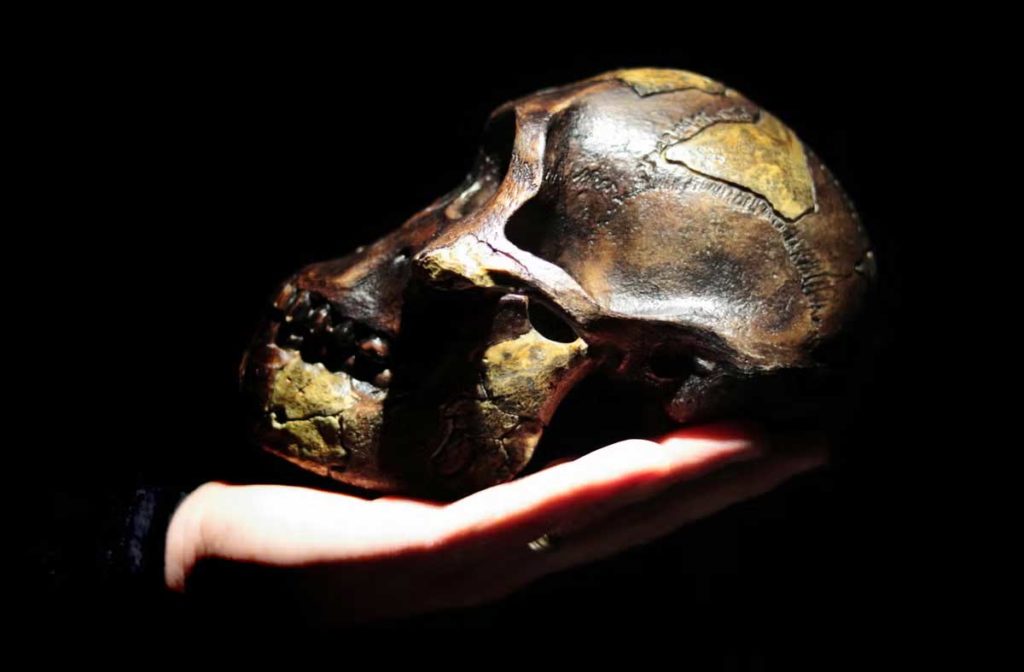
Anthropology Early Paleolithic (Pleistocene, Quaternary period) (2.5 million-300 thousand years ago) History
Our ancestors’ numbers dwindled to 1,280 breeding individuals 930,000 years ago
Humanity owes its existence to just 1,280 people who nearly died out, study finds. A new method for estimating ancient...
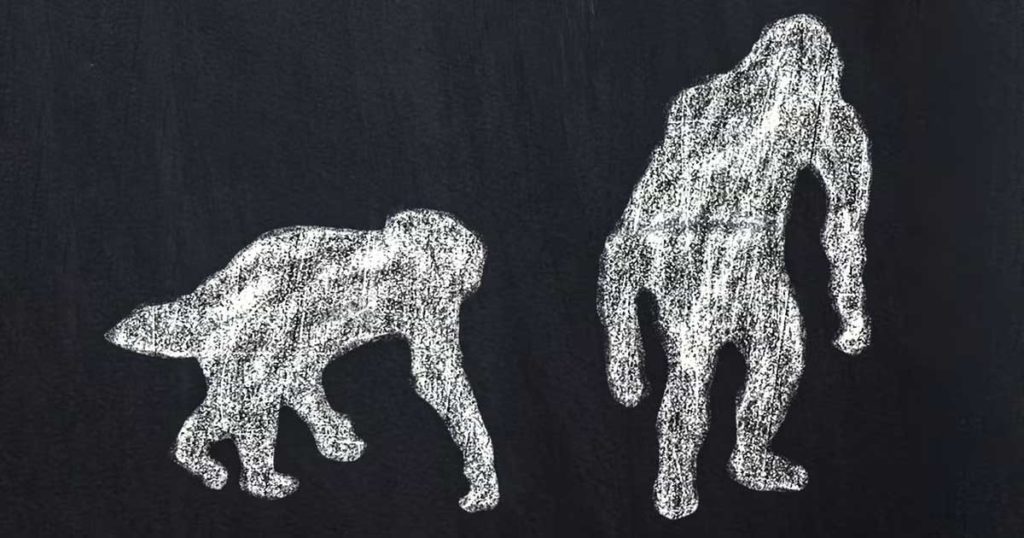
Evolution and Involution – Humanity at a Crossroads
The Ulas family in Turkey has attracted intense scientific attention for years. Because five members of the family walk on...
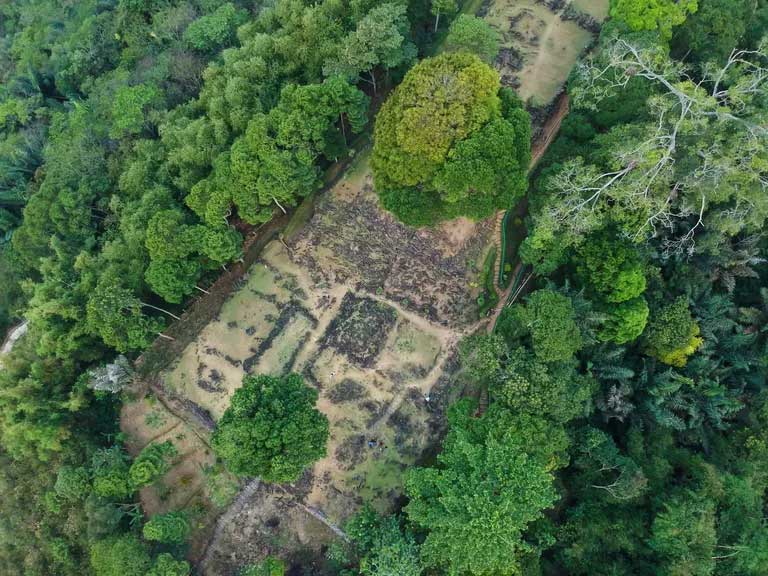
The Gunung Padang archaeological site in western Java was built by a civilization 25,000 years ago
Researchers from Indonesia claim that the archaeological site of Gunung Padang in western Java was built by a powerful civilization...

$1 million to anyone who solves one of the 7 hardest math problems in the world – The Riemann Hypothesis
Major breakthroughs in mathematics and science are usually the result of many people working over many years. In 2000, seven...

Woven City is a smart city built by Toyota based on hydrogen energy technology
Toyota’s Woven City is described as a “living laboratory” where the company will use green energy and AI technologies to...

More than thirty new tombs were discovered in Egypt at the end of June 2024
30 new Egyptian tombs have stunned archaeologists, revealing new secrets and raising new questions about ancient Egyptian civilization. (more…)
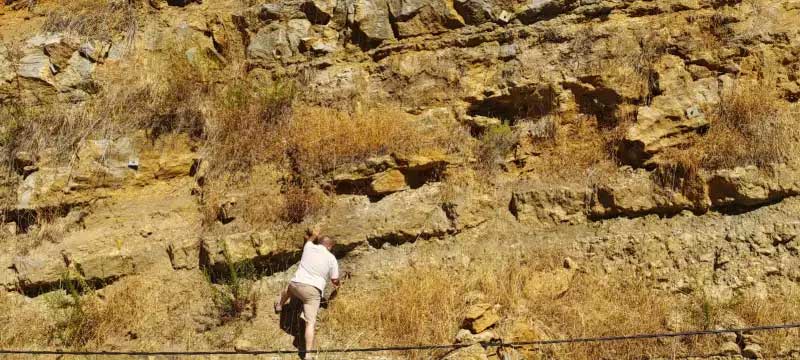
Lebanon’s ‘Amber Man’ Digs Up Dinosaur-Age Treasures
Azar, who holds a joint appointment at the Nanjing Institute of Geology and Palaeontology in China and the Lebanese University,...
Five Revolutions in Modern Music
Jazz can be safely considered the progenitor of all modern music. Over these long years, the style has changed and...
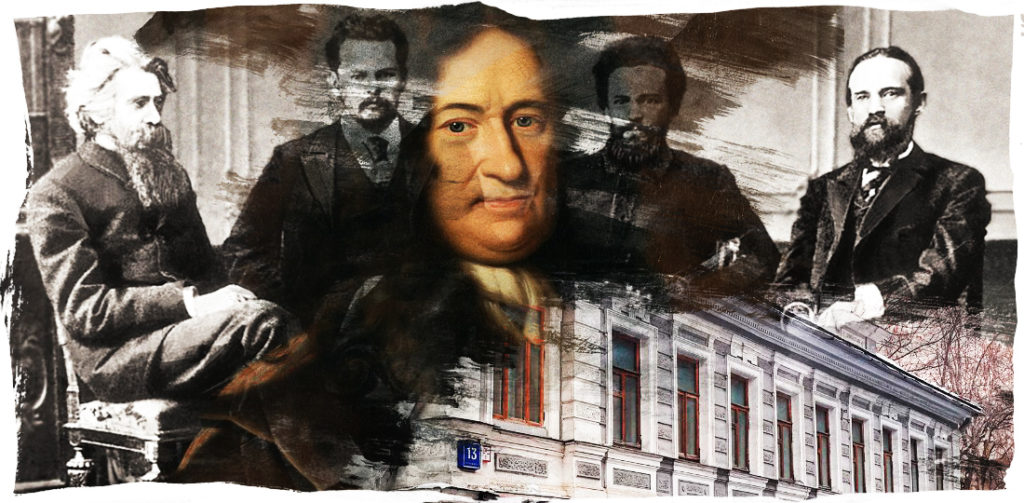
Russian philosophy. Ancient Rus’. Romanticism. Slavophilism and Westernism. Philosophy and power
Ancient Russia and philosophy. Any philosophy is a special type of rationality. It combines the functions of scientific knowledge of the...
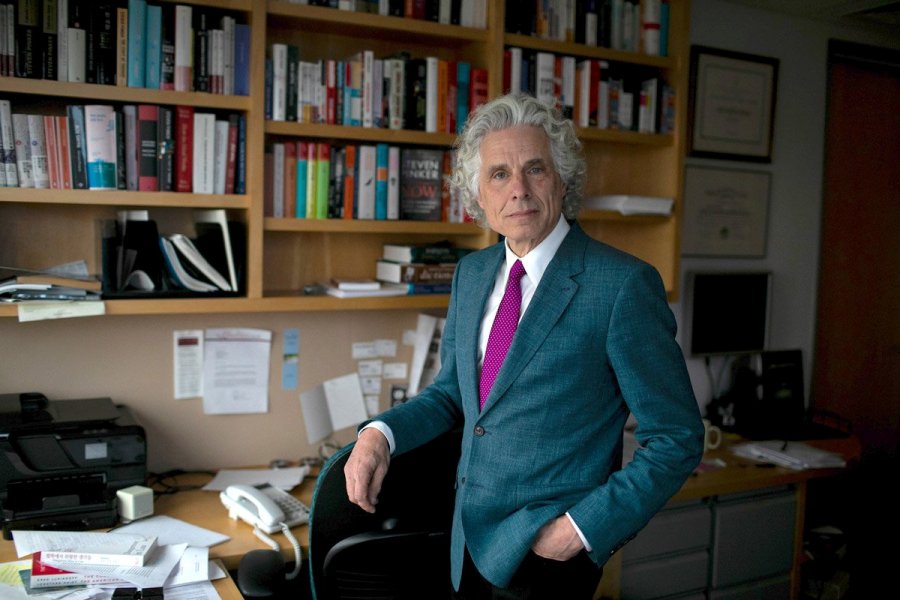
Steven Pinker. Destruction of myths about man. Pseudo-evolutionary reverse engineering
The discussions about the relationship between the mental and the physical, discussed in the previous chapters, can be classified as...
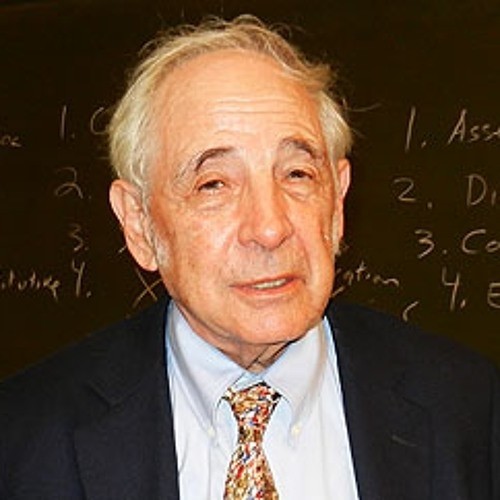
John Searle. The representational aspect of the concept of intentionality. Mental states
John Searle was born in Denver, Colorado, in 1932. He studied at the University of Wisconsin from 1949 to 1952...
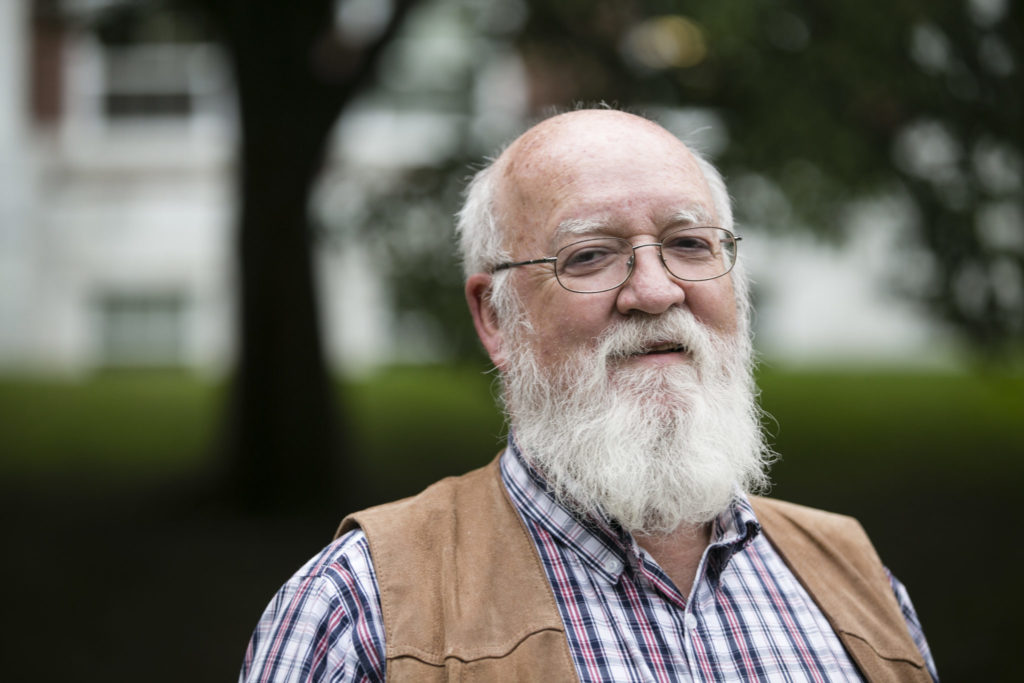
Daniel Dennett. The functionalist part of the theory of mind. Intentional attitude
Philosophy in the 20th century was dominated by language studies. Gradually, this bias became increasingly pronounced. Being and consciousness dissolved...
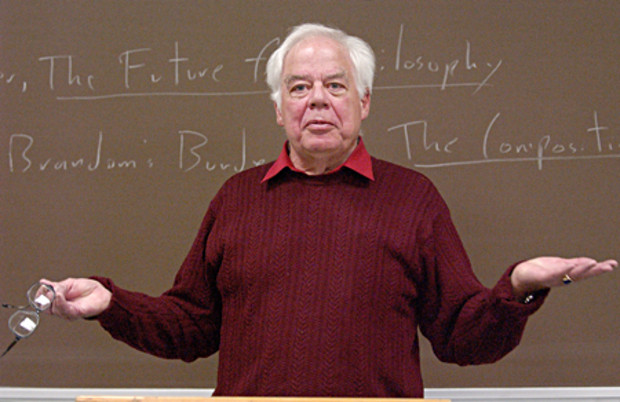
Richard Rorty. Language of neurophysiology. Eliminative materialism. People are the same animals
Richard Rorty was born in 1931 in New York. He studied first at the University of Chicago and then completed...

Postmodernism. Deconstructivism. Breaking down the paradigmatic way of thinking
Recently, the term “postmodernism” has been used to designate the specificity of the worldview attitudes of the newest, “postmodern” culture...

Structuralism. Social structure. Language as a system of signs. Structural anthropology
The direction in the humanities, which in a later classification received the designation of structuralism, appeared at the beginning of...

Postpositivism. Science is the servant of power. Conventionalism
This term is commonly used to designate the works of several philosophers of the mid-20th century, thematically united around questions...
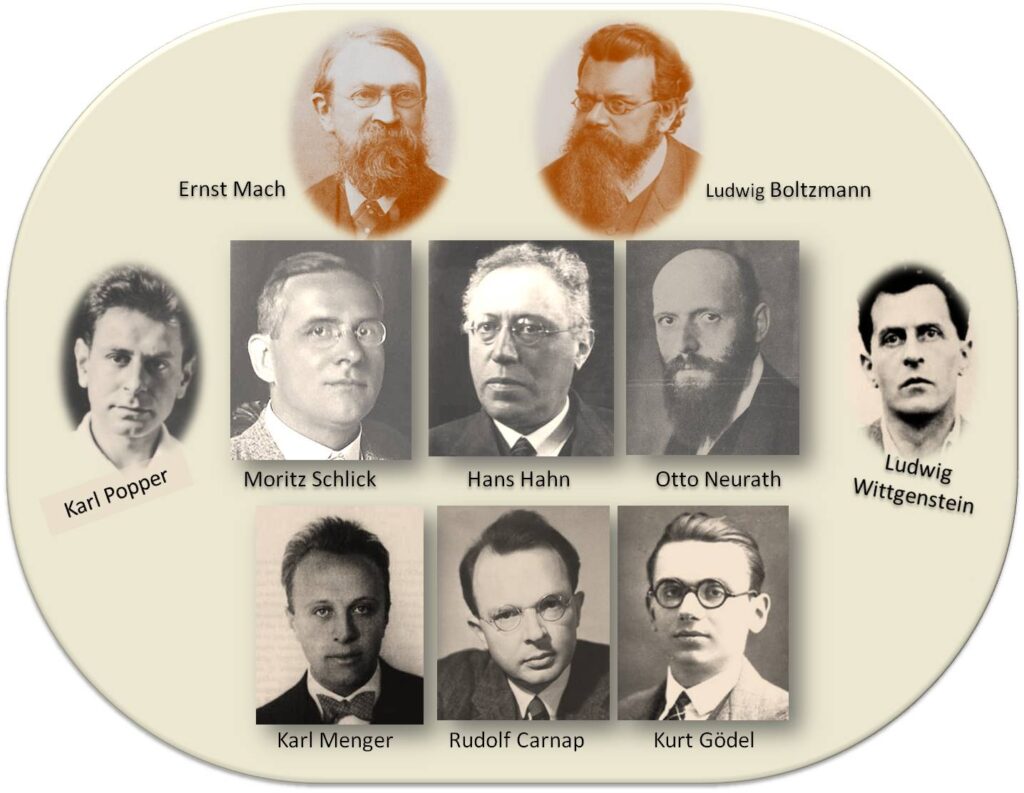
Neopositivism. Vienna circle. Syntax of scientific knowledge. Criteria for scientific meaningfulness of knowledge
The activities of the Vienna Circle opened a special stage in the development of philosophical positivism - neopositivism. Evolving, the Vienna Circle...
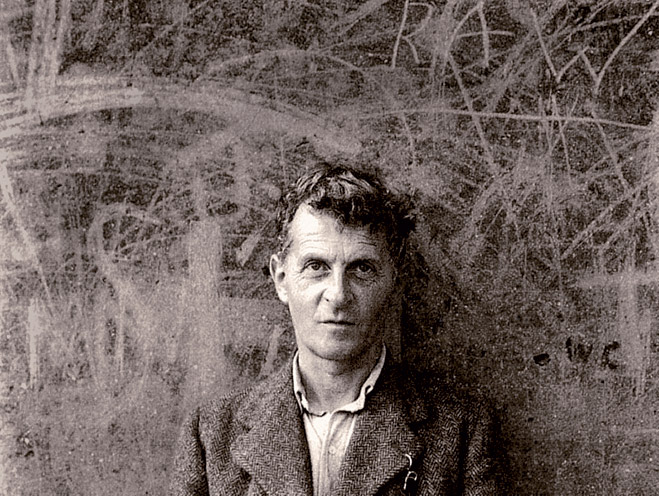
Wittgenstein. Thinking is inseparable from language. Limits to Human Knowledge
Wittgenstein's life, as in the case of Kierkegaard, does not seem to be something secondary in relation to his philosophical...
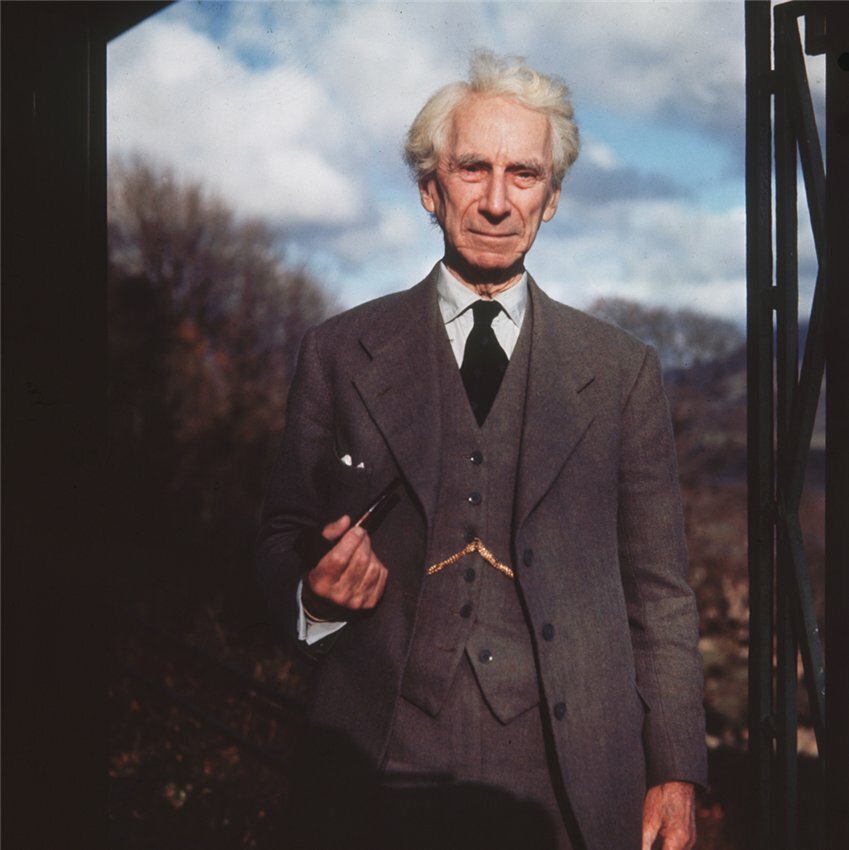
Bertrand Russell. Logical atomism. Natural scientific approach to ideological problems
Bertrand Russell was born in 1872 into an old British aristocratic family. The grandson of British Prime Minister John Russell,...
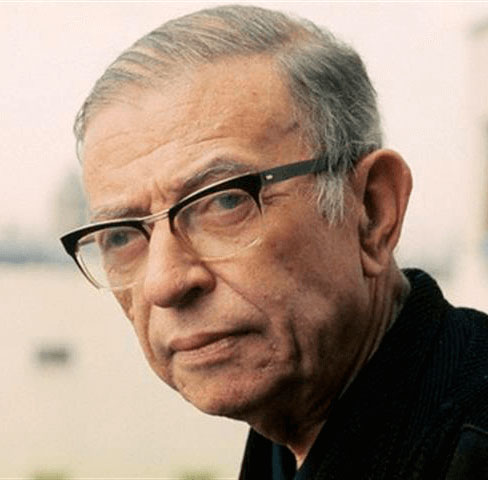
Jean-Paul Sartre. Existentialism is humanism. Being and Nothing
Jean-Paul Sartre (1905-1980) was born in Paris to a naval officer, Jean-Baptiste Sartre (who died when his son was only...
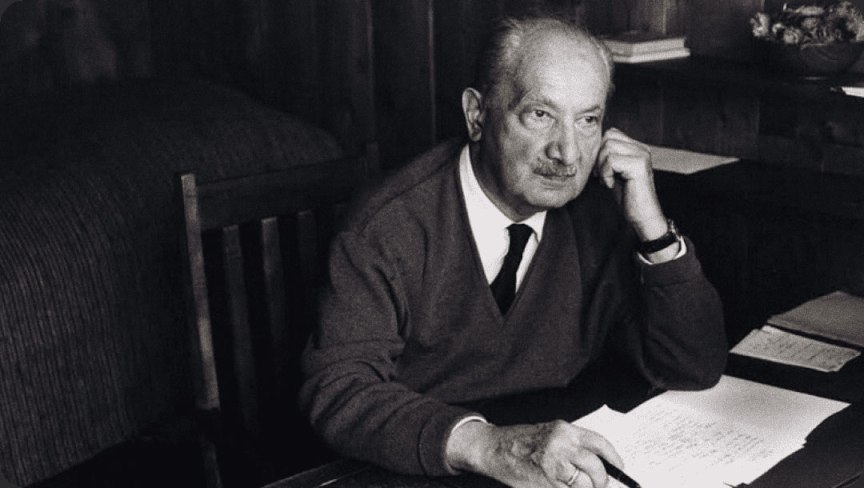
Martin Heidegger. Own and improper existence. Caring for the world and the people in it is the meaning of existence
Martin Heidegger was born in 1889 in the town of Messkirch in southern Germany, and studied at the Jesuit college...
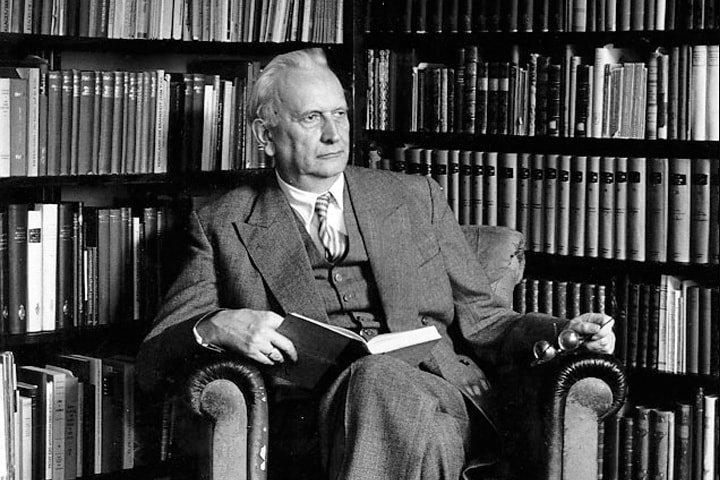
Karl Jaspers. Modes of existence. All life is a borderline situation
Karl Jaspers was born in 1883. In 1901, after graduating from a classical gymnasium, he entered the Heidelberg University Faculty...

Edmund Husserl. Phenomenology. Philosophy of arithmetic
Edmund Husserl was born in 1859 in Prossnitz (Moravia). During his studies – from 1876 at the University of Leipzig, from...
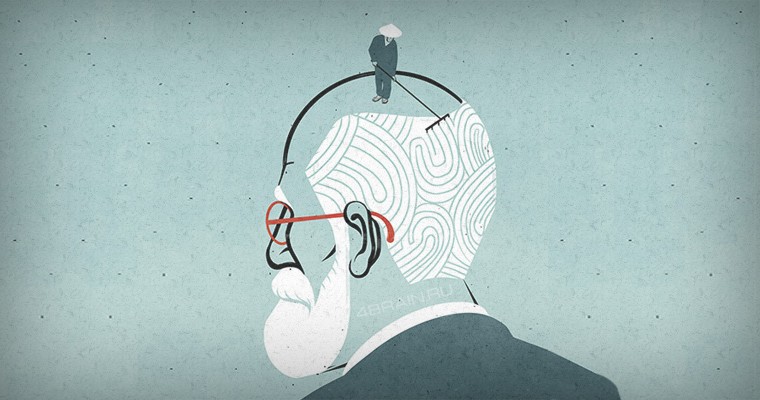
Psychoanalysis. Sigmund Freud, Carl Gustav Jung, Alfred Adler, Erich Fromm. Concept of the unconscious
Psychoanalysis, founded by Sigmund Freud (1856-1939), emerged in 1895 as a project for scientific psychology that would provide a complete picture of...

Pragmatism. William James, Charles Sanders Peirce, John Dewey. Instrumentalism. The Fundamental Role of Doubt
Pragmatism is the most important school of American philosophy. Its main representatives in the early stages were C. S. Peirce,...
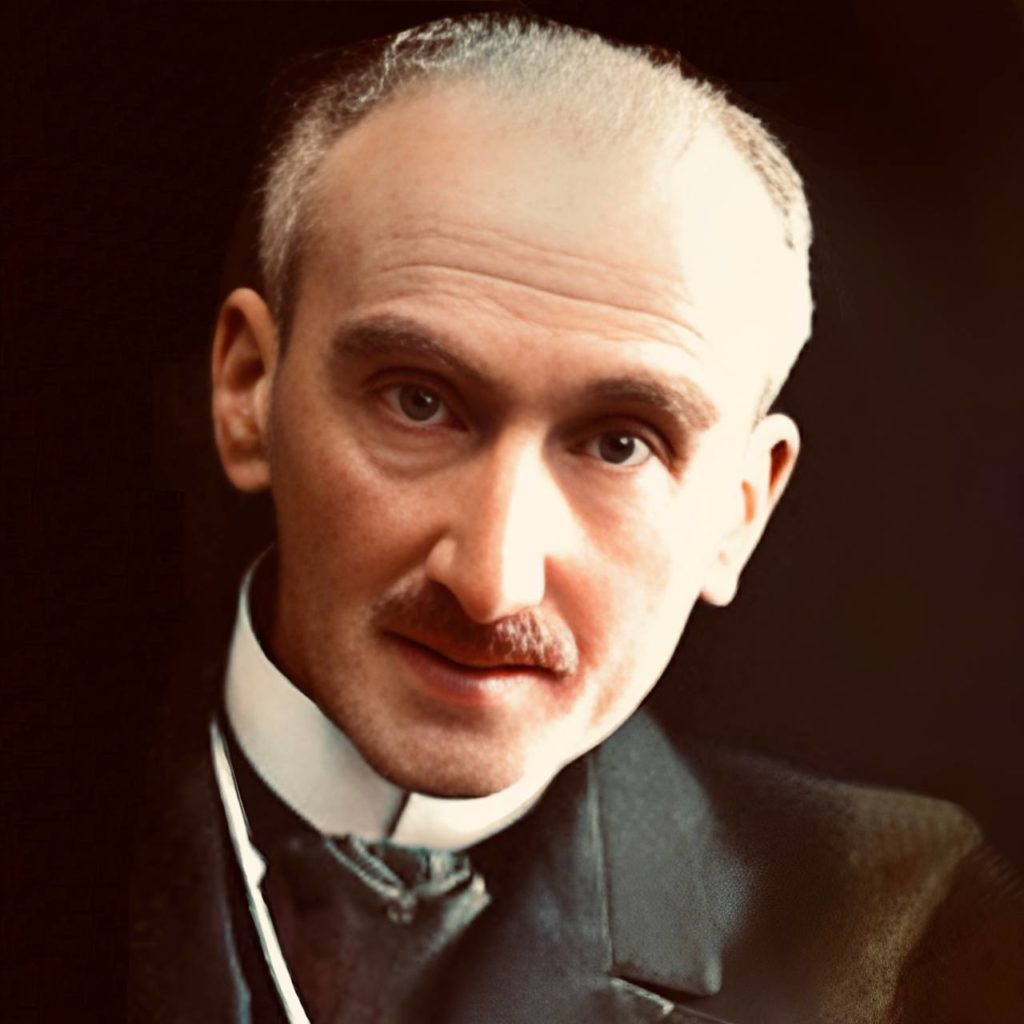
Henri Bergson. Only intuition can grasp the truth. Creative evolution
Henri Bergson was born in 1859 in Paris. Until the age of 19, he remained a British citizen, since his...
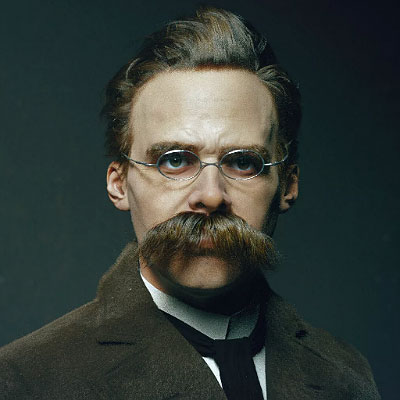
Friedrich Nietzsche. Premonition of the future. The will to power. The principle of confrontation of opposing wills
Friedrich Nietzsche was born in 1844 in the town of Recken in Thuringia (Prussia). His father was a Protestant priest...

Neo-Kantianism. Friedrich Albert Lange and Otto Liebmann. Marburg, Baden school. The problem of substantiating the objectivity of knowledge
Neo-Kantianism is one of the dominant currents in philosophical thought in Germany in the second half of the 19th –...
Second positivism. Ernst Mach, Avenarius. The subject of deification is man and humanity
Beginning in the mid-19th century, criticism of metaphysics as a set of teachings on the supersensible grew in philosophy. The...

First positivism. Auguste Comte, John Stuart Mill, Herbert Spencer. Philosophy should contribute to the progress of specific scientific disciplines
Positivism is one of the most influential trends in Western philosophy over the past two centuries. Positivism has gone through...
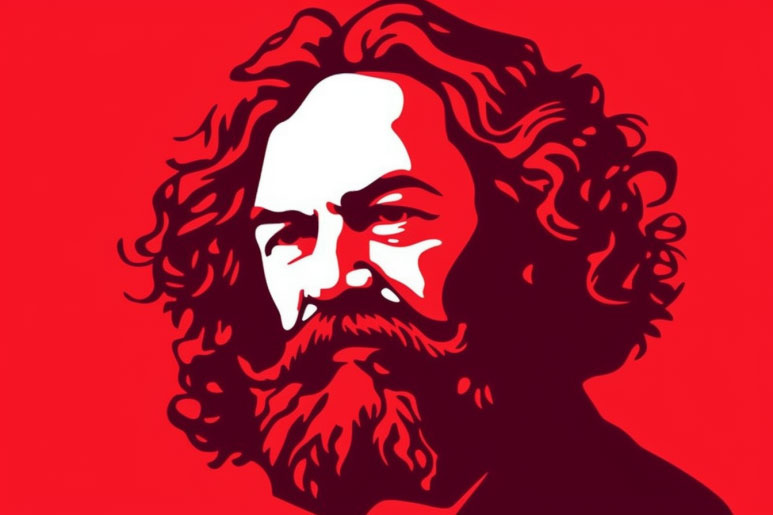
Marxism. Karl Marx. Friedrich Engels. Materialistic understanding of history
In the philosophical and social thought of the 19th and 20th centuries, a special and significant place is occupied by...
Hegelian philosophy. Herbert Bradley, Josiah Royce, Alexandre Kojève. The criterion of truth is the reality of knowledge
Hegelian philosophy underwent a very complex evolution during the 19th and 20th centuries. Few of Hegel's followers fully agreed with...
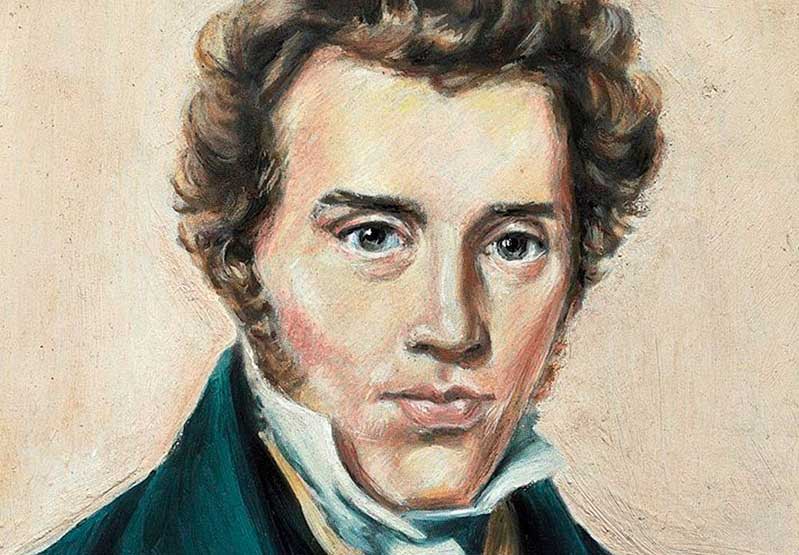
Soren Kierkegaard. Definition of faith through the concept of sin. Stages of human existence
Søren Kierkegaard was born in Copenhagen in 1813 to a wealthy wool merchant. At the age of 17, in 1830,...
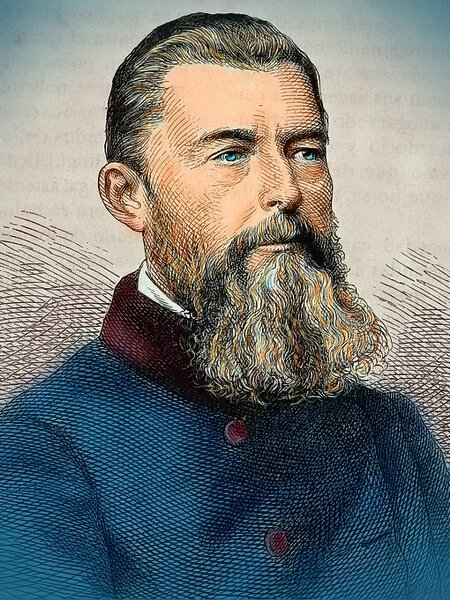
Ludwig Andreas Feuerbach. Anthropological principle. I think with feelings
Ludwig Andreas Feuerbach was born in 1804 in the Bavarian town of Landshut to a family of a famous criminologist....
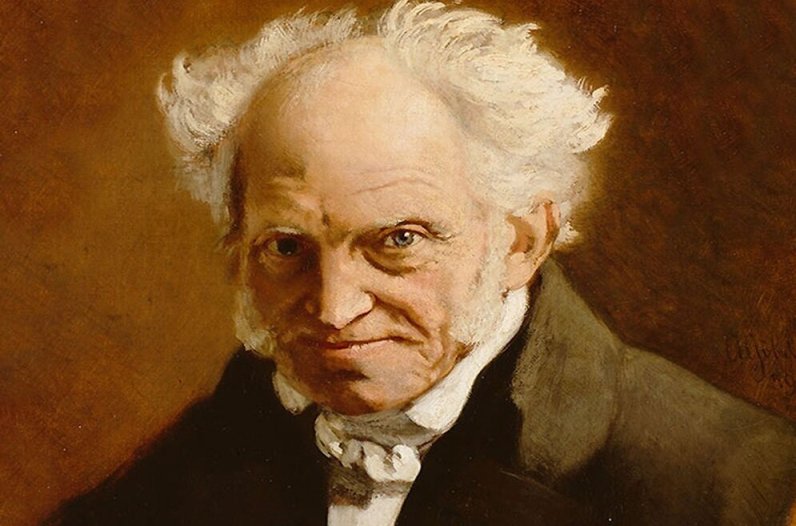
Arthur Schopenhauer. The world as a performance. Understanding the relationship between different ideas
Arthur Schopenhauer was born in Danzig (now Gdansk) in 1788, the son of a wealthy businessman and a future famous...
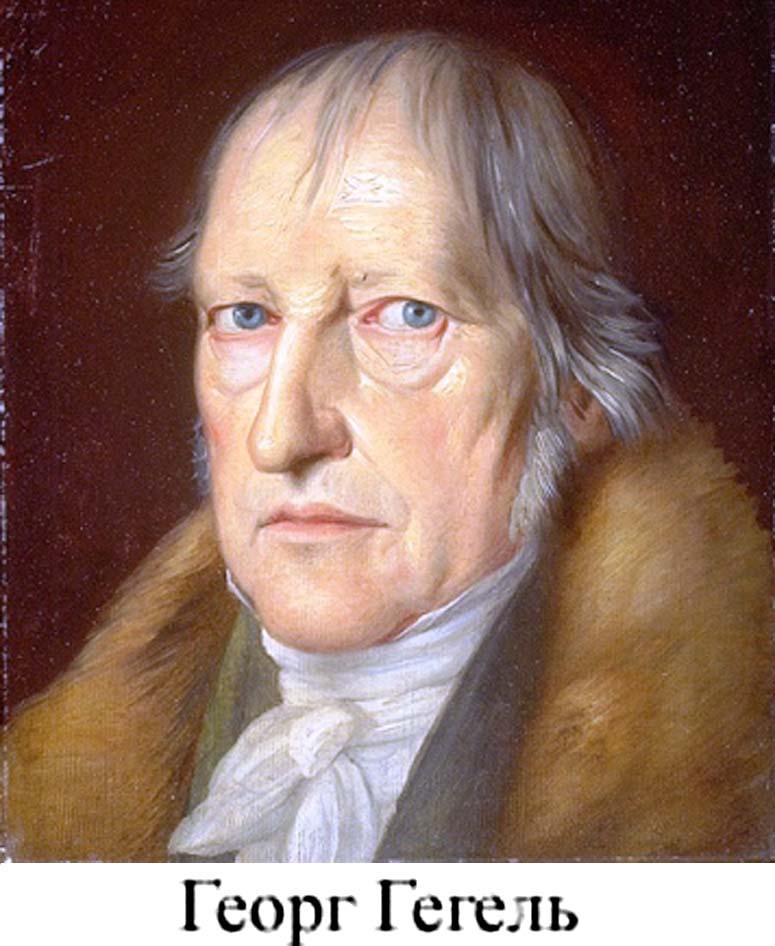
Georg Wilhelm Friedrich Hegel. Phenomenology of spirit, the science of the experience of consciousness
Georg Wilhelm Friedrich Hegel was born in 1770 in Stuttgart to a treasury official. From 1788 to 1793 he studied...
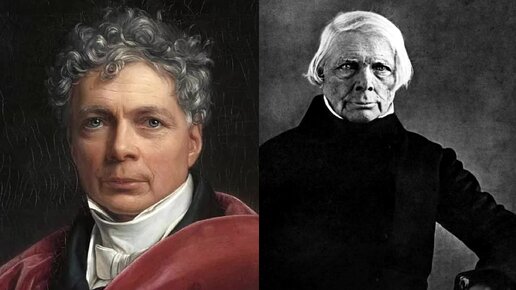
Friedrich Wilhelm Joseph Schelling. Transcendental philosophy and Natural philosophy. Contemplative Self
Friedrich Wilhelm Joseph Schelling was born in Leonberg in 1775 and educated in Tübingen, where he became friends with Hegel...
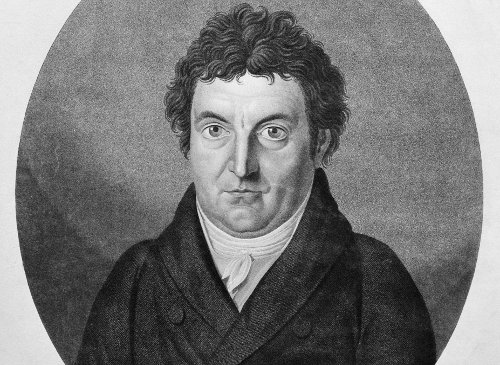
Johann Gottlieb Fichte. Science and science of sciences. Me and not-Me
Johann Gottlieb Fichte was born in Rammenau in 1762 and studied at the universities of Jena and Leipzig. Without receiving...
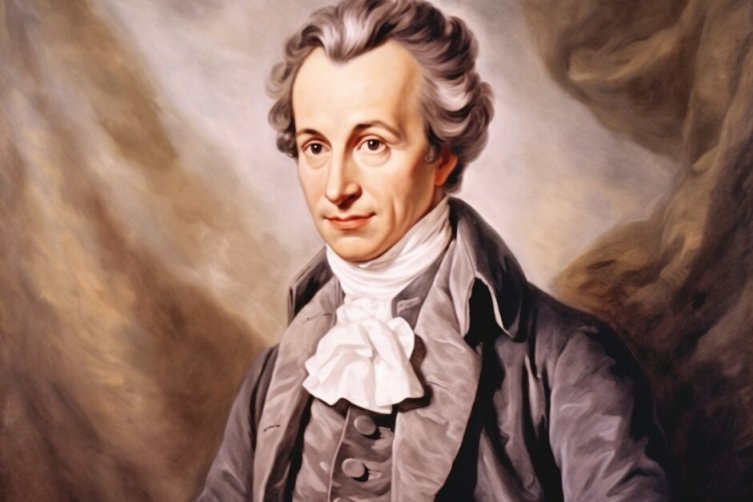
Immanuel Kant. The spirit of critical reflection, the transcendental turn in metaphysics, the absolute value of the human person
This chapter is dedicated to one of the most influential philosophers in the history of thought, Immanuel Kant, the man...
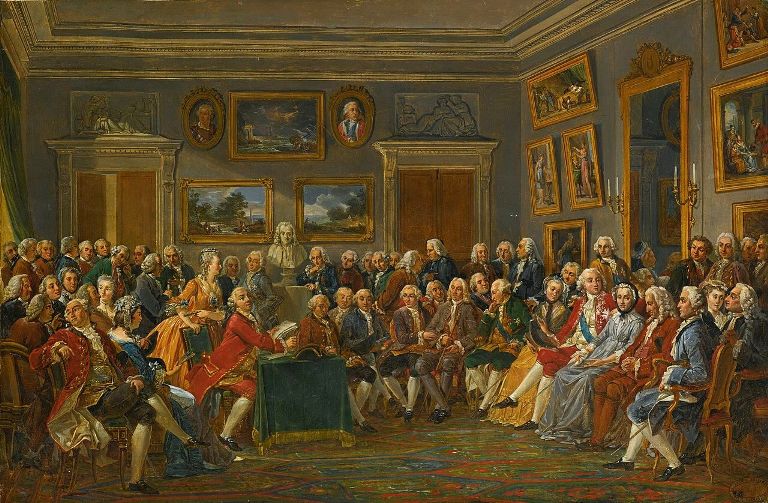
French Enlightenment. Fighting prejudice and ignorance
The 18th century is rightly called the Age of Enlightenment. The ideas of the enlighteners were spread in many European...
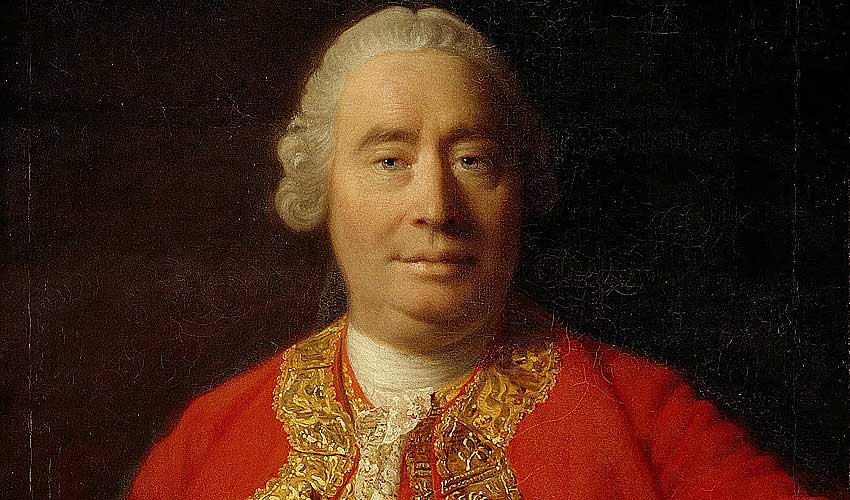
David Hume. Study of Human Nature
David Hume was born in 1711 in Edinburgh to a family of impoverished Scottish landowners. Having lost his father early,...

George Berkeley. To be is to be perceived
George Berkeley was born in Ireland in 1685. He came from a family of English immigrants. In 1700, he entered...
Related Posts
A little bit about cats: the history of domestication and interesting facts about the behavior of pets

Cats have lived among humans for thousands of years. They…
Life may have emerged billions of years earlier than previously thought

A new study suggests that water first appeared in the…
Humans, Chimpanzees, Apes and Our Common Ancestors – Evolution, Similarities and Differences

Chimpanzees and humans: how are we different? What might the…